Email: support@europebotoxsupply.com

How Long Does Botox Last? Duration, Results & Expert Tips

If you’re wondering how long Botox lasts, the straightforward answer is that Botox results typically last between 3 to 6 months. Most people start to notice the effects of Botox wearing off around the 3-4 month mark, but this can vary depending on several factors such as the individual’s metabolism, the area treated, and the amount of Botox used. After this period, muscle movement gradually returns, and wrinkles or fine lines may reappear, signaling the need for another treatment to maintain the smooth, masseter botox youthful appearance.
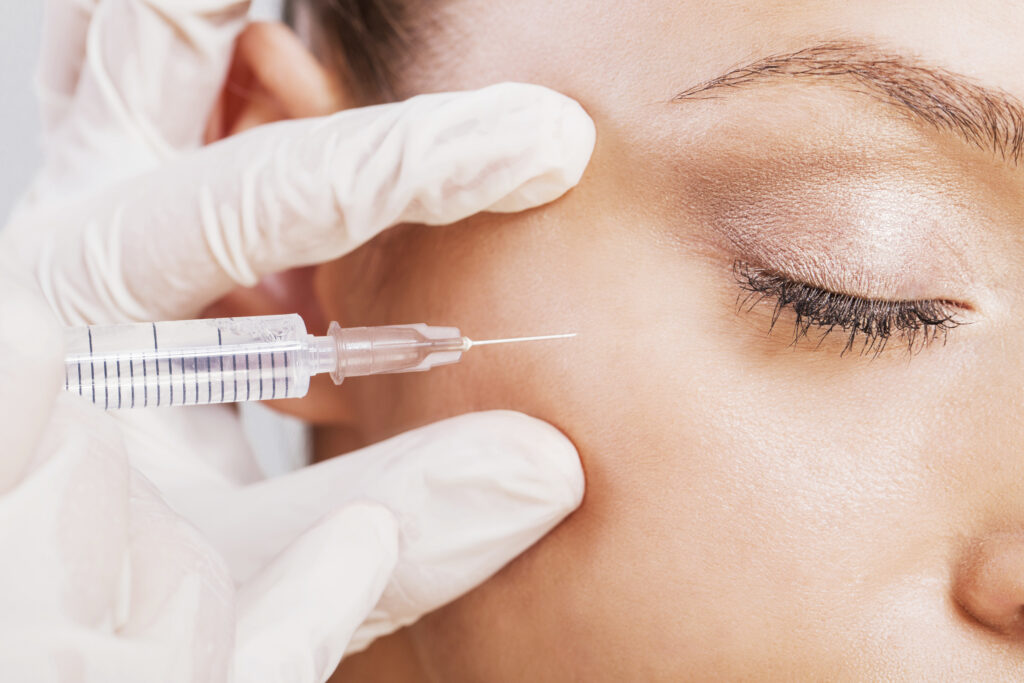
In this article, we’ll dive deeper into the factors influencing Botox longevity, what you can expect from your treatment, how to maximize results, and expert tips to make your Botox experience last longer.
What is Botox and How Does It Work?
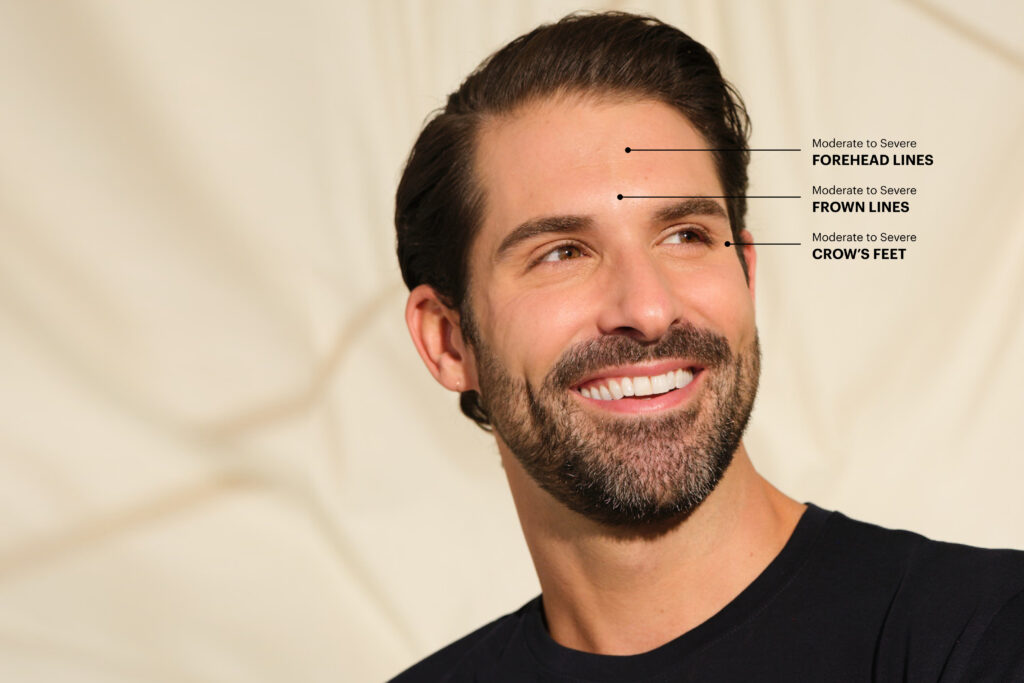
Botox is a purified neurotoxin derived from Clostridium botulinum bacteria. When injected in small, controlled doses, it temporarily relaxes targeted muscles by blocking nerve signals. This prevents muscle contractions that cause wrinkles such as frown lines, crow’s feet, and forehead creases. Besides cosmetic uses, Botox is also used medically for conditions like migraines, excessive sweating, and muscle spasms.
The effect of Botox starts to become noticeable within 3 to 7 days after injection and peaks around 2 weeks post-treatment. However, its effect is temporary because the nerve endings regenerate over time, restoring muscle movement.
Typical Duration: How Long Does Botox Last?
- Average Duration: 3 to 6 months
- Onset of Effect: 3 to 7 days
- Peak Effect: Around 2 weeks post-treatment
- Return of Muscle Movement: Gradual, starting 3-4 months after treatment
Most patients enjoy wrinkle-free skin for approximately 3 to 4 months before noticing gradual fading. Around the 4-6 month mark, full muscle movement may return, and the wrinkles or fine lines start to reappear.
Factors That Affect How Long Botox Lasts
- Treatment Area
Some areas of the face are more active, leading to quicker Botox breakdown. For example, the muscles around the eyes (crow’s feet) or the forehead may metabolize Botox faster than less active areas. - Dosage and Injection Technique
Higher doses and precise injection techniques can prolong the effect. Experienced practitioners tailor the dose and placement for optimal duration. - Individual Metabolism
People with faster metabolism or who exercise regularly may break down Botox more quickly. - Frequency of Treatments
Repeated treatments over time can strengthen muscle relaxation, sometimes extending how long Botox lasts. Some studies suggest longevity improves after multiple sessions. - Lifestyle Factors
Sun exposure, smoking, stress, and certain medications can influence Botox duration. - Age and Skin Condition
Younger patients with more elastic skin may notice longer-lasting results, while older patients with deeper wrinkles might need more frequent treatments.
How to Maximize Botox Longevity
- Follow Aftercare Instructions: Avoid strenuous exercise, lying down, or massaging the treated area for at least 24 hours post-injection.
- Choose an Experienced Provider: Proper injection technique and correct dosage are critical for effective and lasting results.
- Maintain a Healthy Lifestyle: Protect skin from sun damage, stay hydrated, and avoid smoking.
- Schedule Regular Treatments: Consistency can improve results and sometimes lengthen the effect duration.
- Use Complementary Skincare: Incorporate products like retinoids and hyaluronic acid to maintain skin quality.
What to Expect After Botox Treatment?
- Mild swelling or bruising at injection sites
- Gradual softening of targeted wrinkles
- No immediate dramatic changes (results build over 1-2 weeks)
- Results fading gradually over 3 to 6 months
It’s important to set realistic expectations. Botox smooths wrinkles by relaxing muscles but doesn’t eliminate them permanently. Repeat treatments are necessary to maintain a youthful look.
When Should You Get Your Next Botox Treatment?
Many patients schedule their next Botox session between 3 and 4 months after the previous one. This timing prevents wrinkles from fully returning and can even help train muscles to relax longer over time. If you wait longer, you might see wrinkles deepen again and require more units to achieve the same effect.
Common Myths About Botox Duration
- Myth 1: Botox is permanent.
False. Botox effects are temporary and wear off after a few months. - Myth 2: Botox wears off suddenly.
False. The effects fade gradually, allowing for a smooth transition rather than a sudden return of wrinkles. - Myth 3: More Botox means longer results.
False. While dosage affects duration, too much Botox can cause side effects. Proper dosing is essential.
Botox vs. Other Wrinkle Treatments: Duration Comparison
| Treatment | Typical Duration | Notes |
|---|---|---|
| Botox | 3 to 6 months | Muscle-relaxing neurotoxin |
| Dermal Fillers | 6 to 18 months | Adds volume, different mechanism |
| Chemical Peels | Weeks to months | Improves skin texture |
| Laser Resurfacing | Months to years | Stimulates collagen |
Botox is often combined with other treatments for comprehensive anti-aging effects.
Is Botox Right for You?
Botox is suitable for most healthy adults looking to reduce dynamic wrinkles caused by muscle movement. A consultation with a qualified provider is essential to discuss goals, medical history, and expectations.
Final Thoughts: How Long Does Botox Really Last?
While the average Botox treatment lasts between 3 to 6 months, many factors influence this timeline. Understanding these factors and following expert advice can help you enjoy smooth, youthful skin longer. Remember, Botox is a temporary but highly effective treatment when administered properly and maintained consistently.
If you want natural-looking results that last and expert tips to prolong your Botox effects, consult a licensed practitioner and plan a personalized treatment schedule.