Email: support@europebotoxsupply.com

“Masseter Botox for TMJ: Is It Safe and Effective?

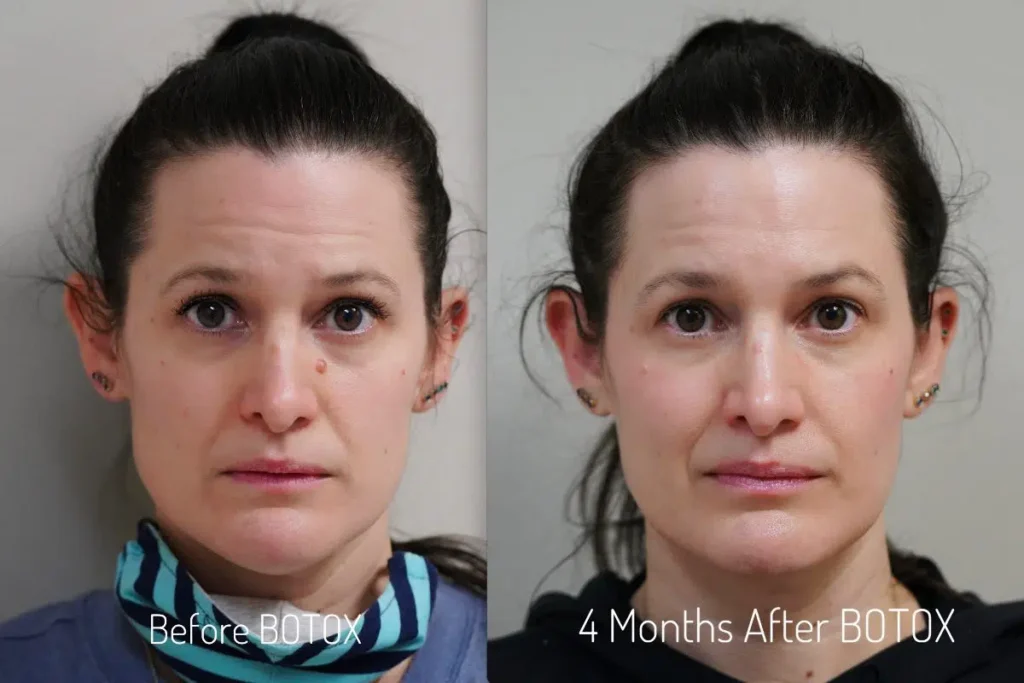
Introduction: Can Botox Help with TMJ?
Temporomandibular joint disorder (TMJ or TMD) causes pain, jaw tension, headaches, and even difficulty chewing. If you’ve tried mouth guards, therapy, or painkillers with little success, you might wonder — can Botox help TMJ? The answer is yes, especially when injected into the masseter muscle.
In this article, we break down how Masseter Botox works for TMJ, its safety, benefits, and what you can expect before and after treatment.
What is Masseter Botox?
The masseter muscle is one of the primary jaw muscles involved in chewing and clenching. Injecting Botox (onabotulinumtoxinA) into the masseter helps relax the muscle, reducing tension and associated pain.
Originally used for cosmetic jaw slimming, Masseter Botox is now an increasingly popular and medically backed treatment for TMJ disorders and bruxism (teeth grinding).
How Does Botox Help with TMJ?
When injected into the masseter, Botox works by blocking nerve signals that cause muscle contractions. This leads to:
- Reduced jaw clenching and grinding
- Decreased inflammation and pain
- Fewer headaches caused by muscle tension
- Better jaw mobility over time
Results can typically be felt within 5–7 days and last 3 to 6 months, depending on the dose and severity of the condition.
Is Masseter Botox Safe?
Yes — Masseter Botox is considered safe when administered by a trained medical professional. It is an FDA-approved treatment for other muscle-related disorders and has a long track record of success in therapeutic and cosmetic use.
Benefits of Masseter Botox for TMJ
- Pain Relief: Reduces TMJ-related discomfort and inflammation
- Stops Teeth Grinding: Treats bruxism and protects dental health
- Non-Surgical: Minimally invasive, with no downtime
- Cosmetic Perk: Can contour and slim the jawline over time
Are There Side Effects?
Side effects are usually mild and temporary. These may include:
- Mild soreness at the injection site
- Temporary weakness in chewing
- Bruising or swelling
- Rare cases of asymmetry (usually self-correcting)
Severe complications are extremely rare when performed by a licensed injector.
Who Should Avoid It?
Masseter Botox is not recommended for:
- Pregnant or breastfeeding women
- People with certain neuromuscular disorders
- Anyone allergic to Botox or its ingredients
Always consult a healthcare provider before undergoing treatment.
What to Expect During the Procedure
The injection process is quick and relatively painless:
- Takes about 10–15 minutes
- No anesthesia is needed
- Return to normal activities immediately after
- Effects appear gradually over 5–10 days
Follow-up treatments are usually needed every 3–6 months to maintain results.
Conclusion: Should You Try Masseter Botox for TMJ?
If you’re struggling with chronic jaw pain, clenching, or grinding, Masseter Botox for TMJ can be a game-changer. It’s safe, effective, and backed by growing clinical evidence. Just be sure to choose a certified and experienced practitioner to ensure optimal results.